Pet Care and Peace of Mind YOU can afford

At Portarlington Vet Clinic and Kildare Vet Surgery we care about YOU, our client and we want the very best health care for your pet that you can afford.

THAT is why our morning consultation fee is 25euro for EVERYONE monday to friday in both clinics 9am until 1pm.  This means the average morning diagnosis and treatment of a routine ailment or illness will cost our client 35 to 40euro including ALL injections and medicines your pet will need. NO hidden costs. NO surprises.

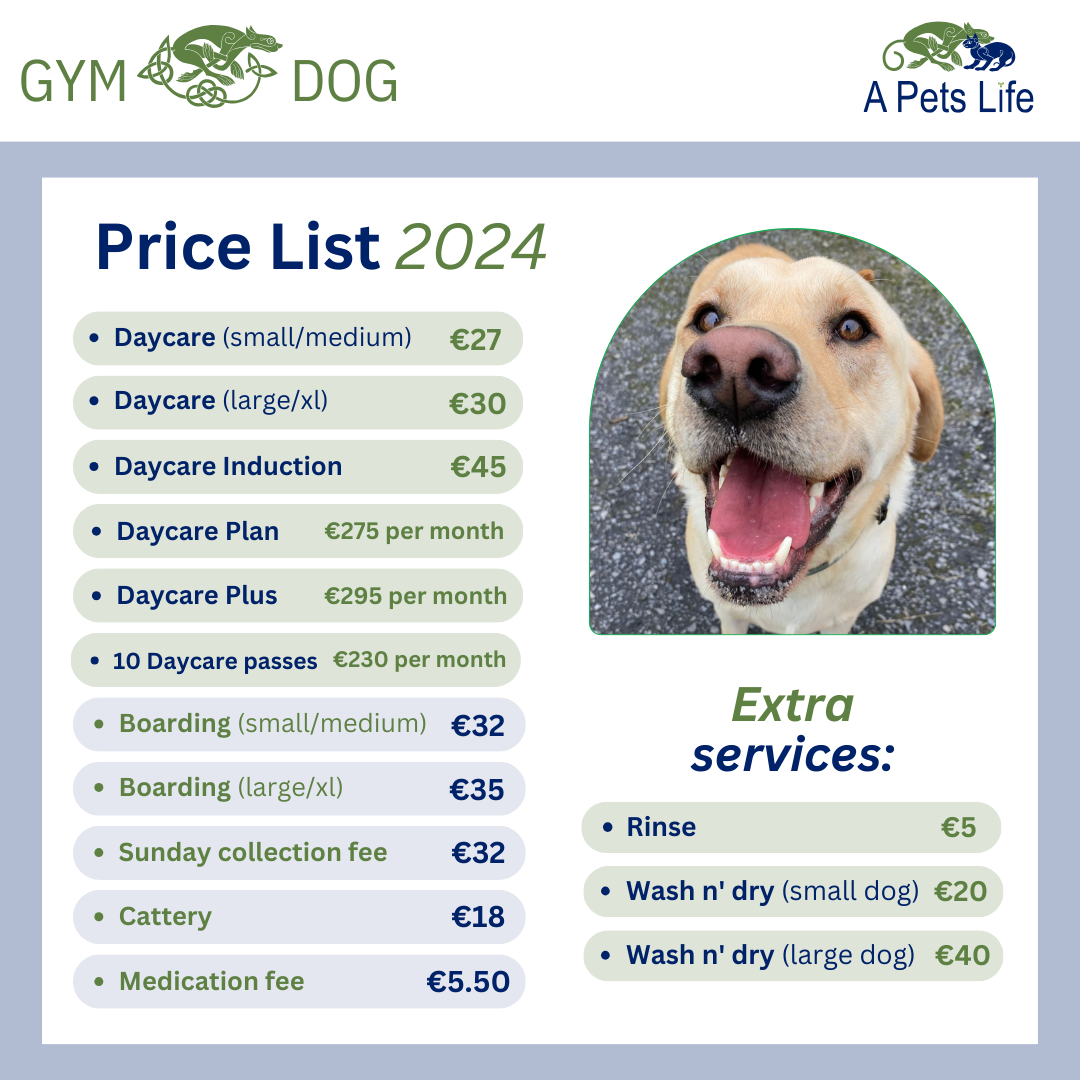
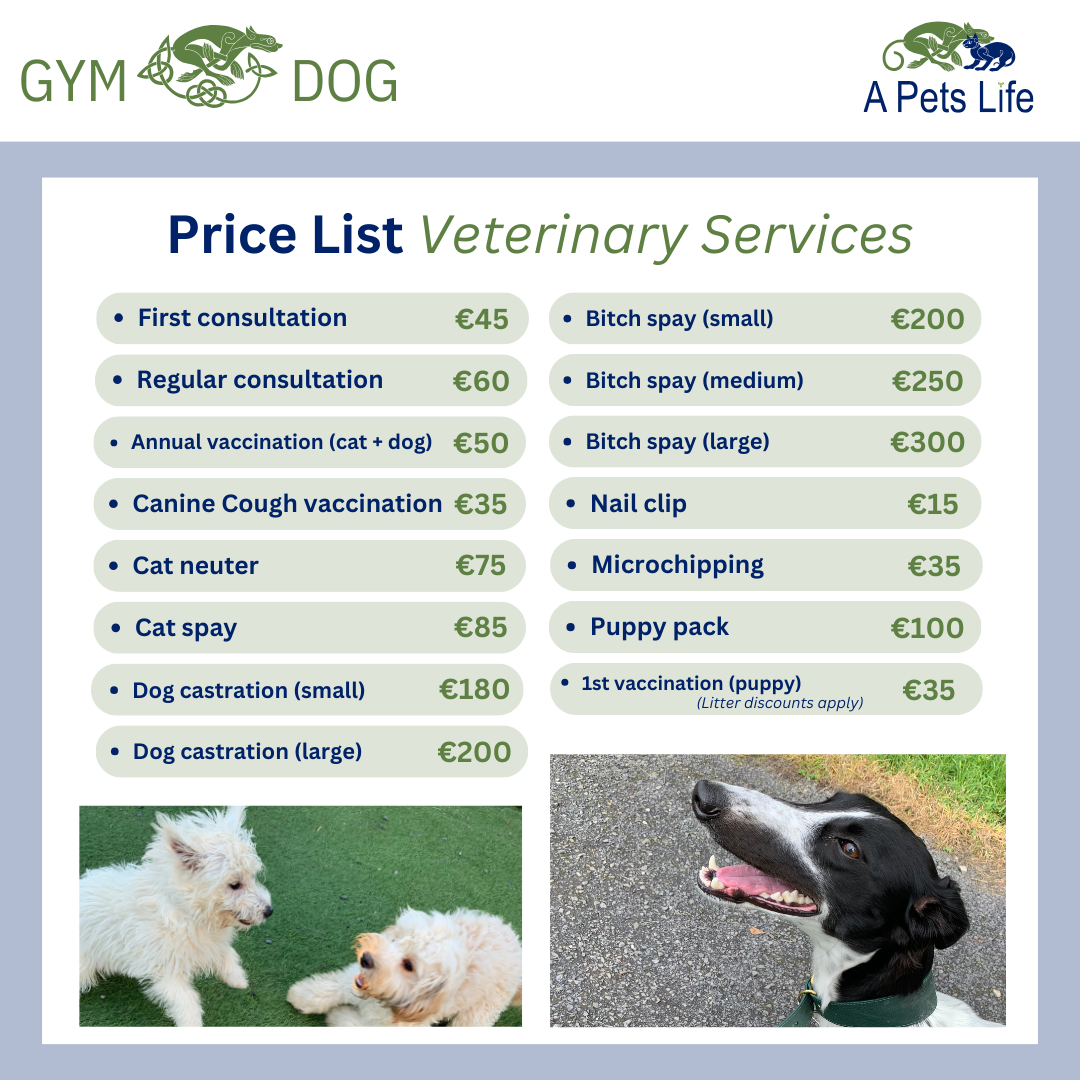
Check out our transparent fully itemised price list.

AND thats not all.

Because we understand routine vaccinations are a cost many people find difficult to budget for on top of everything else these days we have slashed the price of the annual 7 in  Booster, namely the Canine DHPPI and LEPTO11 to 25euro.

 NO card needed NO gimmicks NO exceptions

AND OUR NEW SPRING PROMISE- EVERY pet GROOMED at Groome PETVETS will receive a free health check at both Kildare or Portarlington.


NEW EXPRESS GROOMING SERVICE

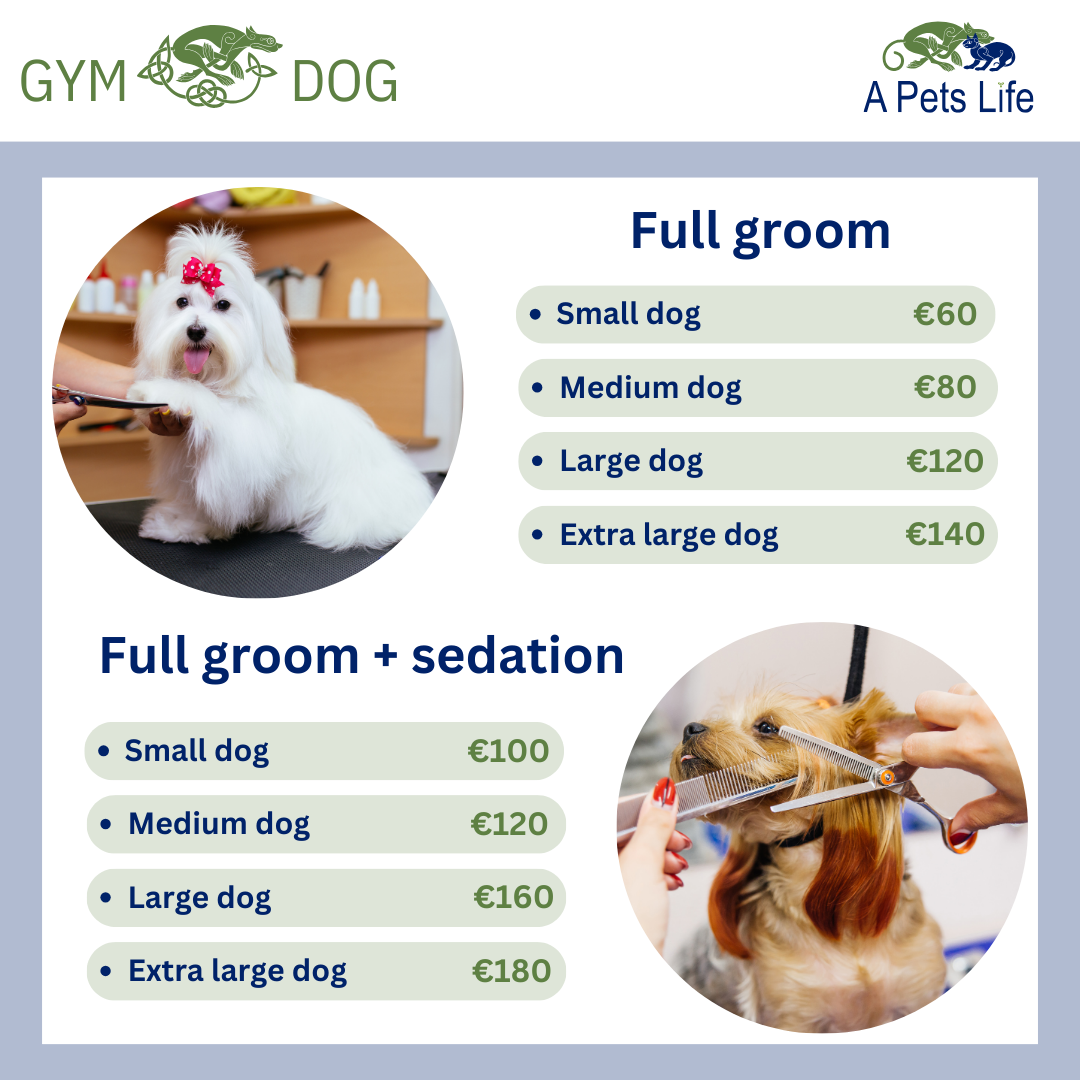
To mark the arrival of TESCO KILDARE to KILDARE town Groome Pet Vets are launching for the new year a new express grooming service with prices for a trim, ears, nails, wash/dry special ranging from 15 to 40euro.

Just ask for the express service next time you are considering pampering your pet with a manicure/pedicure/coat trim

Groome Pet Vets now even more convenient service – simply drop your pet before you shop at TESCO KILDARE.

Take the first left at the new lights at TESCO KILDARE

Then find our sign for KILDARE VET SURGERY at the Carmelite Church car park.

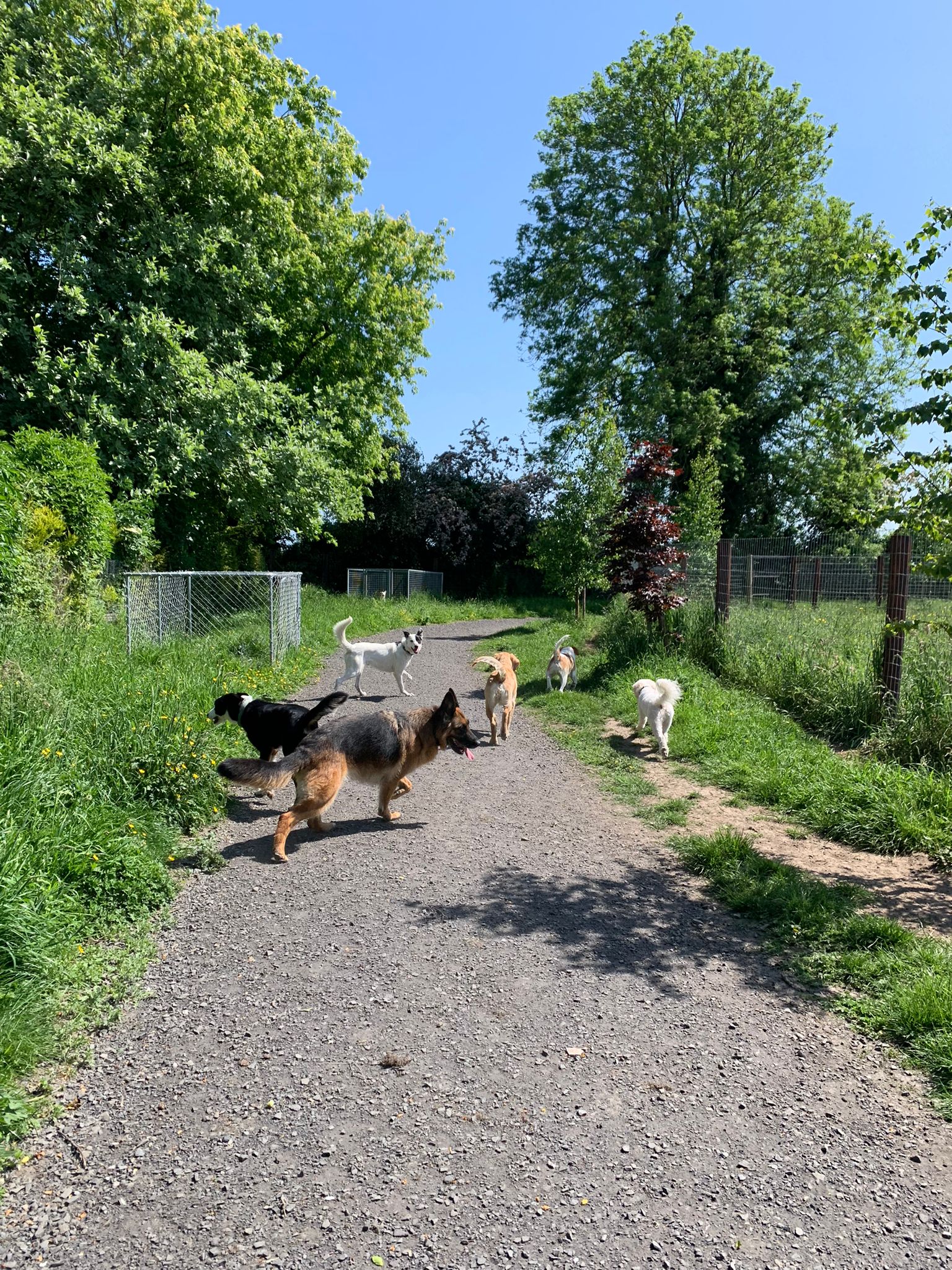
DOG walking, pet creche, pet sitting service also available.

AN ALL IN ONE FLEA and WORM for your pet now from 5 to 10 euro.

PROPAK, SPECIFIC, and PEDIGREE FOODS available See our new range of pet products.  Professional petcare products at superstore prices

Happy New Year to All !

WE would like to inform our customers of opening times and services over the remaining holiday period;

Kildare Vet Surgery open Thursy 29th and Friday 30h 9am -6pm saturday 31sy open 9am- 1pm

CLOSED MONDAY 2nd januaryreopen 9am-6pm Tuesday 3rd january

Portarlington open 29th and 30th 10-12am and 6-7.30pm Saturday 10am-12am

week of 3rd january- 8th January open 12am and 6pm-7.30pm

please note as our  nurse Claire      Gallagher  is  awayuntil 9th           January      we will be taking no bookings for   pet grooming this week

You save KILOS when your dogs eat PROPAC PETFOODS

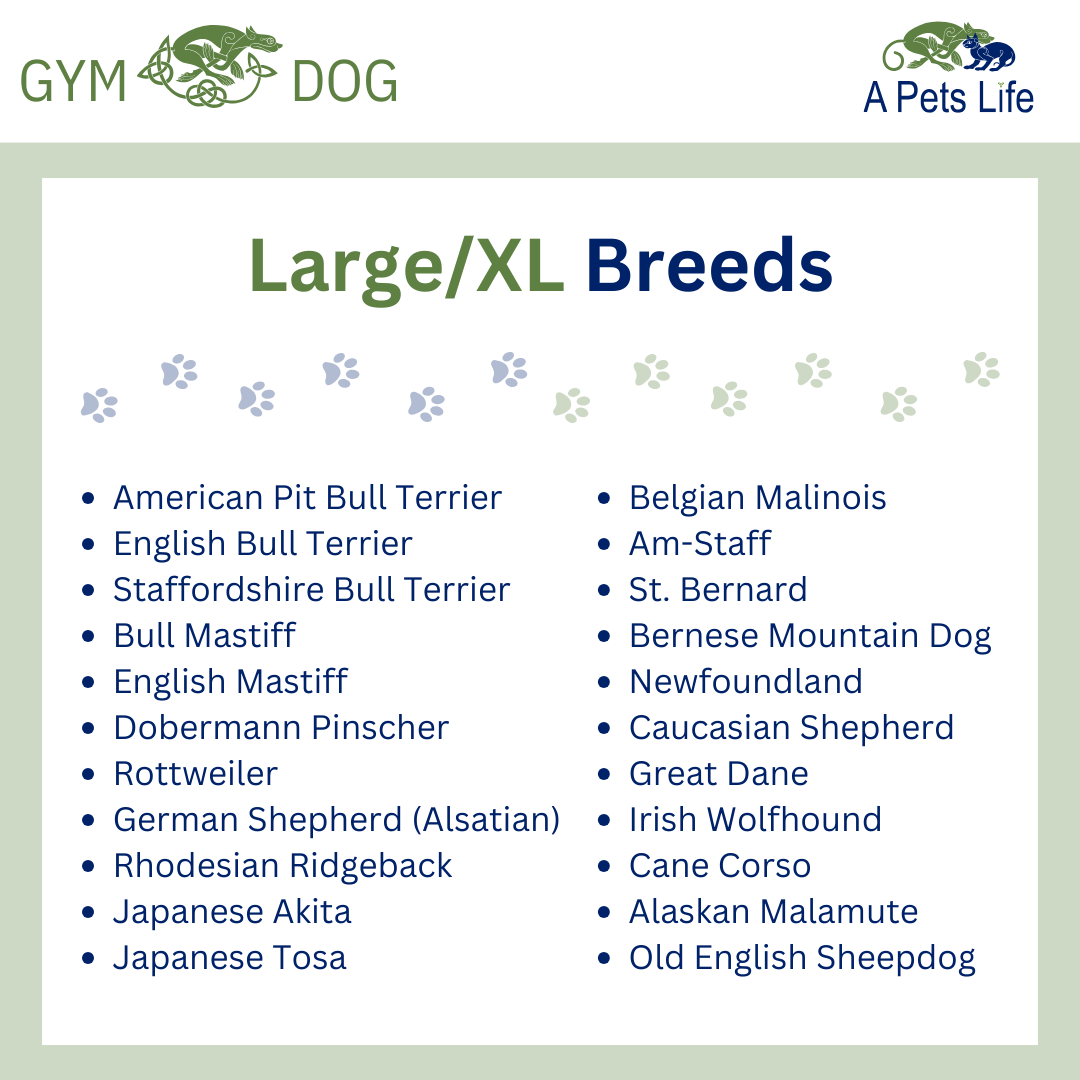
PROPAC are an extensive new range of deluxe Vet only dog foods for any and all medical and developmental needs your pet may have.  The LOW FAT range is combatting canine obesity and acheiving real weight reduction in our patients we have prescribed it to. The SENSITIVE and LAMB AND RICE varieties are  showing real curative benefits in cases of dogs experiencing eczema, food allergies, protein intolerance, inflammatory bowel, anal gland disease.  There are several types of Propac puppy food from sensitive to low protein to performance puppy. Large Breed adult and large breed puppy which we recommend for retrievers, german shepherds, rottweilars and other large breeds of dog.

NOW Interchem the suppliers of Propac are introducing a unique discount scheme – each bag of propac now has its own 10% kilogram voucher . A 3kg bag carries a 300gram voucher – when you have saved 3 kilos of food vouchers we give you a free 3kg bag of the Poroac food of your choice.

Now when you dog eats MORE- you save KILOS!

Petcare you can TRUST- Value you can measure

PORTARLINGTON PROMOTION> PORTARLINGTON PROMOTION> PORTARLINGTON PROMOTION
Portarlington Vets at Patrick Street have an AUGUST SPECIAL OFFER on PET GROOMING.
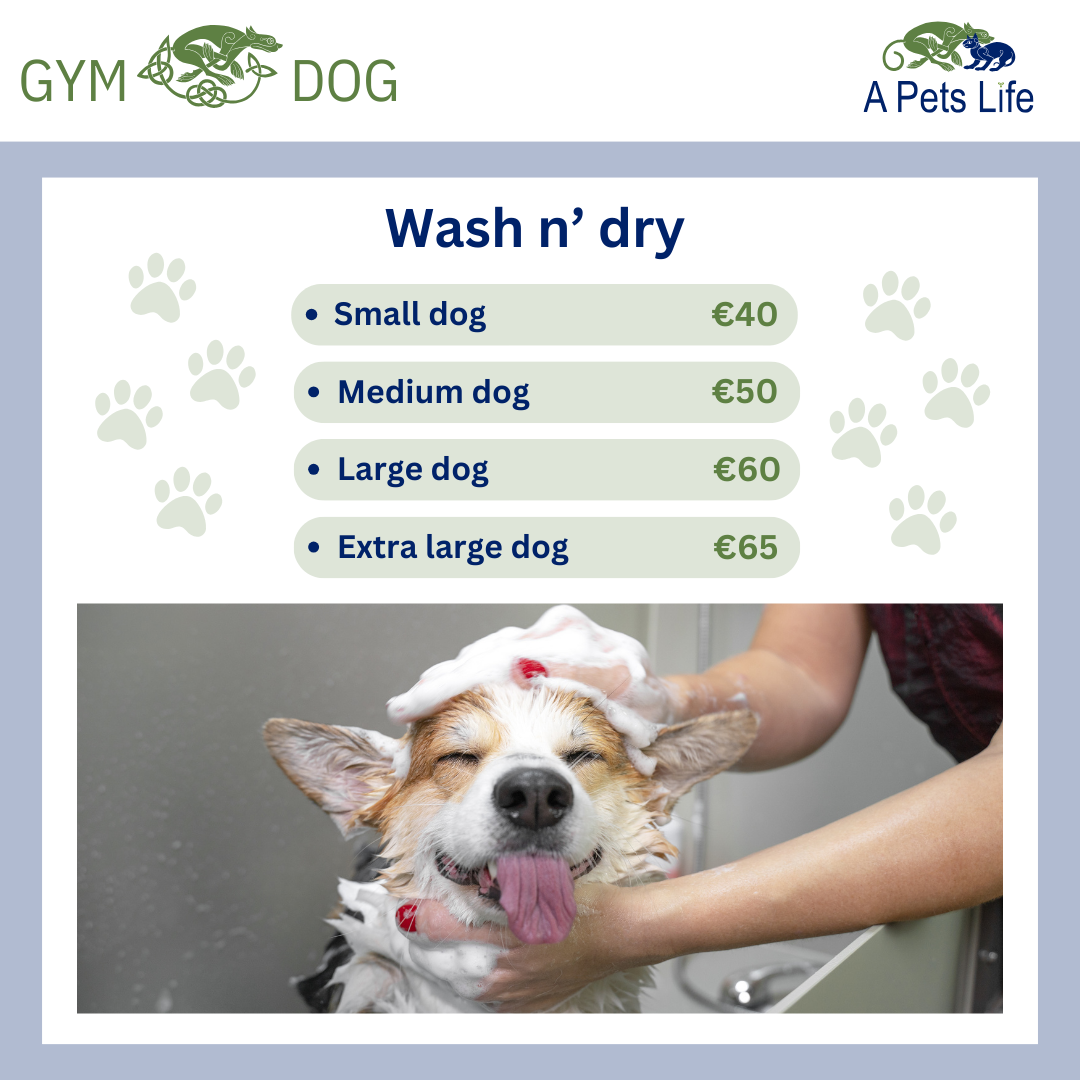
wash, dry, trim, nails, ears all 20euro for small dogs and all 30 euros for medium dogs.

In the new business reality of 2011 we know you, our customer  need to make every euro count. Thats why I slimmed my prices down 20% again in June 2011and now after consultation with many customers to find out just what YOU want I am launching a new pricelist where every possible routine procedure I can itemise for you is now clearly and transparently list priced individually.

Have a look on our PRICE link to see the value we now offer and  enjoy the peace of mind of knowing you will NOT be hit with any unexpected bills on a trip to

KILDARE VET SURGERY or PORTARLINGTON VET CLINIC.

Welcome to Groome PetVets

Excellence in Veterinary when You Need it Near You.

Our aim is caring, wise and excellent standards of  Veterinary medicine and surgery. We are a “one stop shop”  for all your petcare needs and queries.

Call us for a competitive quotation on any Veterinary service from Vaccination, Consultation, Neutering as well as Grooming, Boarding/ Kennelling, Pet foods and supplements from our state of the art Hospital in Kildare town and newly expanded pet clinic and shop at Patrick Street Portarlington.

Winter of discontent for Ireland’s most vulnerable horses.

The Irish Horse Welfare Trust  are running a campaign called A VOICE FOR HORSES on their website www.ihwt.ie and in the public domain. The IHWT are the largest advocacy group for the most vulnerable animals in Ireland today, those horses which have fallen off the bottom of the horse industry’s value chain.The IHWT campaign asks for the Animal Health and Welfare Bill in Ireland 2010 to be developed and progressed into legislation as a matter of urgency.

The public and political controversy which arose during the passage of the Wildlife Act Amendment Bill which outlawed stag hunting and the Dog Breeding Establishment Bill which provided regulation for  puppy breeding led to defections from the government ranks and was seen as diverting energies away from more pressing national budgetary concerns. Another Animal welfare bill of any sort will thus now be viewed in government buildings as too radioactive to handle in the life of this government and will probably be “held over”.

Minister Smith gave statement of intent  in the Dail in March 2010 to have the new Animal Health and Welfare Bill ready to pass through the Dail before end 2010 as was outlined in the programme for government 2007. The consultancy phase for this Bill was completed in 2008 in which Veterinary Ireland, IHWT, ISPCA, Dept of Ag and Dept of Environment participated.

This Act will update and amend all existing legislation concerning farm and  companion animals, equines, exotics and provide a single set of provisions to ensure welfare and health are defined,regulated and protected. Animal cruelty cases are still dealt with under the Protection of Animals Act 1911 while penalty guidelines for animal cruelty are currently referenced to a 1965 amendment of that 1911 Act.  It will stipulate increased penalties for offenders, describe new offences of mutilations such as ear cropping, tail docking and offences of omission or neglect as understood under modern parameters of  “the five freedoms of animal welfare”.

There exists an anomaly whereby control and regulatory responsibility for food animals is the remit of the Dept of Agriculture while Dogs and other companion animals are the responsibility of the Dept of the Environment. Horses fall into both which in practice amounts often to a legislative neither. Minister Smith wants correctly to bring all animal legislation into the Department of Agriculture which is where Veterinary, Animal Husbandry, Health & Safety and Disease Control expertise all reside already. This consolidation of responsibility for animal welfare into the Dept. of Ag  is identified by groups like the IHWT as perhaps the most important part of the Animal Health and Welfare Bill.

This catch all bill will bring Ireland’s animal cruelty policies, penalties and listing of offences into line with the UK’s Animal Welfare Act 2006 which is robust enough to prosecute owners of hungry horses for neglect, dangerous dog owners for derogation of responsibility and puppy breeders for overcrowding or inhumane management.  Yesterday in Lewes Crown court a woman from  East Lewes, Sussex was fined 10000 pounds and baned from horse ownershpip for ten years for five counts of horse cruelty. One mare  had to be put down as her hooves were so badly overgrown that she knuckled forward on her hind fetlock joints. A former Crufts winning Breeder was found guilty of keeping 92 dogs in crowded and dirty conditions in Aidenshaw,UK last week. An offence which can lead to up to six months in jail under this tough 2006 legislation.

Groups like the IHWT, frustrated by Ieland’s outdated legislation and laissez faire attitudes to animal welfare expect an Irish bill which would similiarly empower local authority inspectors, stiffen penalties and deterrents to irresponsible animal ownership.

Horses dont have a single defined route to market or a single function. There is no certainty of outcome at the end of the demand curve. Horse owning and breeding is a meritocracy because they are not a food animal in our culture but may be all of athlete, investment, hobby, pet and luxury depending on your point of view. A horse may be all of those at diferent stages of it’s life, it’s usefulness and it’s value. A horse’s  value proposition is a chain that a horse will rest at or fall off at different phases of its ability or health. The value chain may have started off as a dream for an owner several years ago but end now as a nightmare for a hungry horse ina field somewhere this winter.

The most vulnerable of those horses at the end of that value chain are the ones that would benefit from a robust legislative policy on Animal Health and Welfare. It IS all about the economy at the moment. But government have a responsibility to legislate for society as well as the economy. Societies are judged by how we treat our most vulnerable.

Trap, Neuter, Return- Ireland’s feral cats.

 Alley  Cat Allies are a catchily named US organisation which are behind a US wide campaign to help the 86 million feral or wild cats in the US on Feral cat Friday, today October 16th. The thrust of this campaign is to educate both general public and animal control officers to the fact that the traditional catch and kill solution has not worked as feral cat numbers world-wide continue to multiply. The Allies are over 20 years in existence, are US-wide and promote a policy of Trap, Neuter, Return as a viable method of feral cat population control.

The campaign is spreading and Ireland’s animal welfare groups have come together to highlight Ireland’s wild and semiwild stray cat problem.  October 18th-24th is Ireland’s National Feral Cat Awareness Week which is hoped will raise knowledge and action on the issue of the estimated one million strong feral cat population in Ireland.

Domestication of cats began about 10000 years ago coinciding with the introduction of  farming. Cats began to hunt the rodents associated with the storage of grain and have lived on the edge of domesticity ever since. Cats will readily revert to the wild in order to survive which means that abandoned cats, strayed cats or cats left behind when owners move house will melt into the local environment foraging food and shelter by hunting and scavenging. Their existence is one of our sins of omission in that they are feral and most likely nonneutered largely because of human neglect.

Do feral cats cause problems or pose animal welfare concerns? Yes and No. Yes, in that too many cats in an area cause disharmony. Competitive rivalry for resources, territory and young females amongst wild feral tomcats will lead to fighting which spills over into the domestic cat population. The feeding of feral cats without an accompanying neutering plan is a widespread, wellmeaning and misguided practice.If numbers are not contained by prevention of breeding the result will be the undue suffering and fatality of kittens and the spread of diseases such as feline aids ( FIV), Feline Leukaemia ( FeLV) Viruses both amongst ferals and neighbourhood domestic cats.

On the other hand removal of entire colonies of ferals in isolation is not the answer. Neither do feral cats belong in shelters where kill rates for cats unsuited to rehoming is above 70% and where they take up spaces better utilised for dog control. Wild cat numbers are so high now that animal carers who have attempted a catch and kill plan find  very quickly that a vacuum created by removal of one family or colony is quickly filled by another group of feral cats move in to fill the territory. Especially if humans in that area have been providing a source of food.

The cheapest, most effective and most humane solution in an area overpopulated by wild cats is that advocated by the Alleycat’s Alliance which is the use of a large light portable cat trap such as can be borrowed from dog wardens or ISPCA officers. It may take a week or so of feeding to win the trust of a genuinely feral cat before luring it into the trap with food.  Once trapped bring the cat to a Vet to be examined and if found to be healthy it should be neutered, wormed and vaccinated before being returned to the wild. We should also remember to snip or mark that cats ear as a universally understood sign of a cat already neutered to prevent needlessly trapping the same cats twice.  Animal charities have some funds to assist with these costs. Most Vets undertake this type of work as a “loss leader”.